

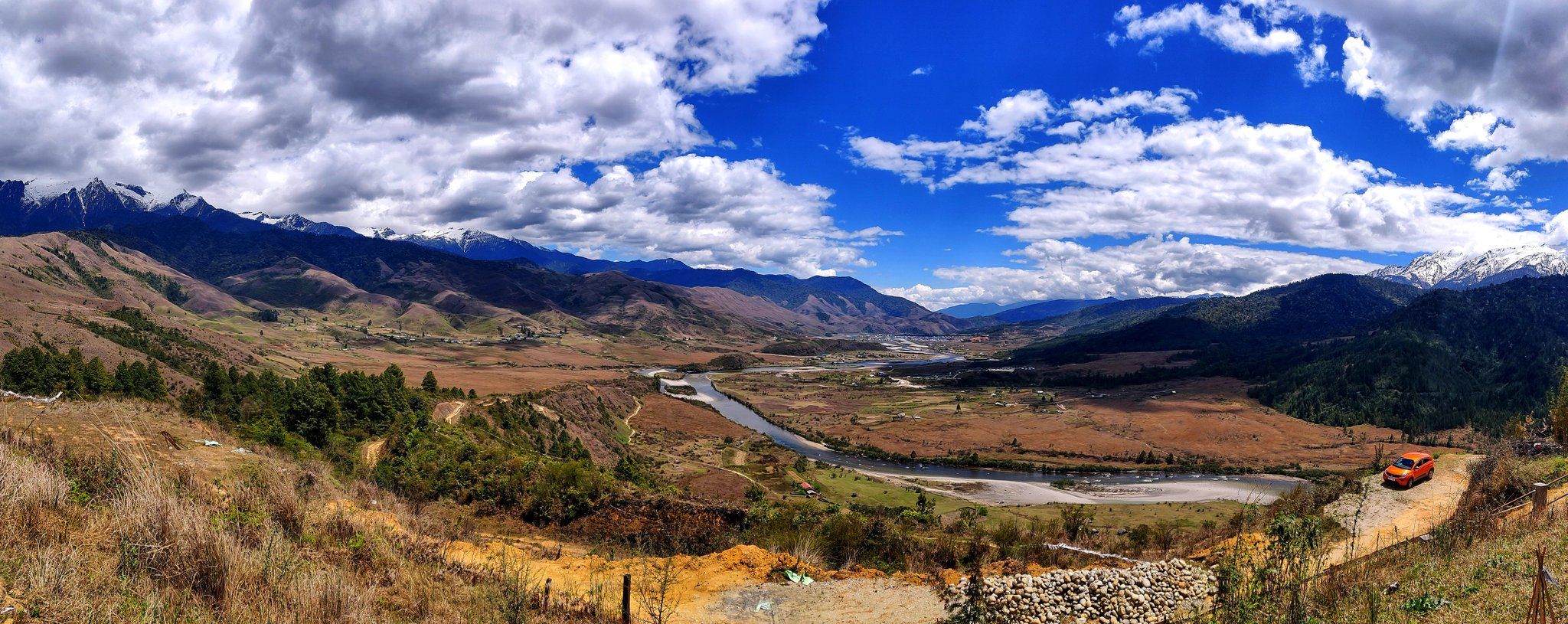
Mechuka Valley: Arunachal Pradesh's Best-Kept Secret in the Eastern Himalayas
In this post
- Where Exactly is Mechuka Valley?
- The Weather and When to Visit
- What Makes Mechuka Valley Special?
- Things to Do and See in Mechuka
- Cultural Experiences You Shouldn't Miss
- Practical Information for Your Trip
If you're tired of crowded hill stations and Instagram-famous destinations, let me introduce you to a place that still feels like a secret whispered among serious travelers. Mechuka Valley, tucked away in the West Siang district of Arunachal Pradesh, is one of those rare destinations where you'll find yourself wondering why more people don't know about it. And then, selfishly, you'll be grateful they don't.
Where Exactly is Mechuka Valley?
Mechuka sits at an elevation of about 6,000 feet in the Shi-Yomi district of Arunachal Pradesh, near the Indo-China border. The valley cradles the Yargyap Chu river, which eventually flows into the mighty Siang River. Getting here isn't easy, which is partly why it remains so pristine. The nearest airport is in Dibrugarh, Assam, roughly 470 kilometers away, and from there, you're looking at a scenic but challenging road journey that takes around fifteen to sixteen hours.
The journey itself deserves mention because it's not just about reaching the destination. You'll drive through some of the most dramatic landscapes in Northeast India, crossing mountain passes, winding along cliff edges, and passing through dense forests that feel ancient and untouched. The last stretch to Mechuka involves crossing the Siyom River multiple times, and trust me when I say your heart will skip a beat at least once during those crossings.
The Weather and When to Visit
Here's something that surprised me during my research: Mechuka experiences snowfall during winter months, typically from December to February, transforming the valley into a winter wonderland. If you've never seen snow-capped mountains reflected in crystal-clear rivers, winter might be your season. However, the roads can become treacherous, and sometimes the valley gets cut off completely.
Most travelers, including the team at Travelmetry, recommend visiting between March and October. The spring months of April and May bring blooming rhododendrons and clear skies perfect for mountain views. Summer, from June to August, coincides with the monsoon, so expect rain, but the valley turns an almost impossible shade of green. September and October offer post-monsoon clarity with comfortable temperatures ranging between ten to twenty degrees Celsius during the day.
I've spoken to travelers who visited in different seasons, and each swears their timing was perfect. Winter lovers talk about the magical stillness of snow-covered landscapes, while autumn visitors rave about the golden hues painting the valley. The truth is, Mechuka has something special to offer year-round, but you need to prepare accordingly.
What Makes Mechuka Valley Special?
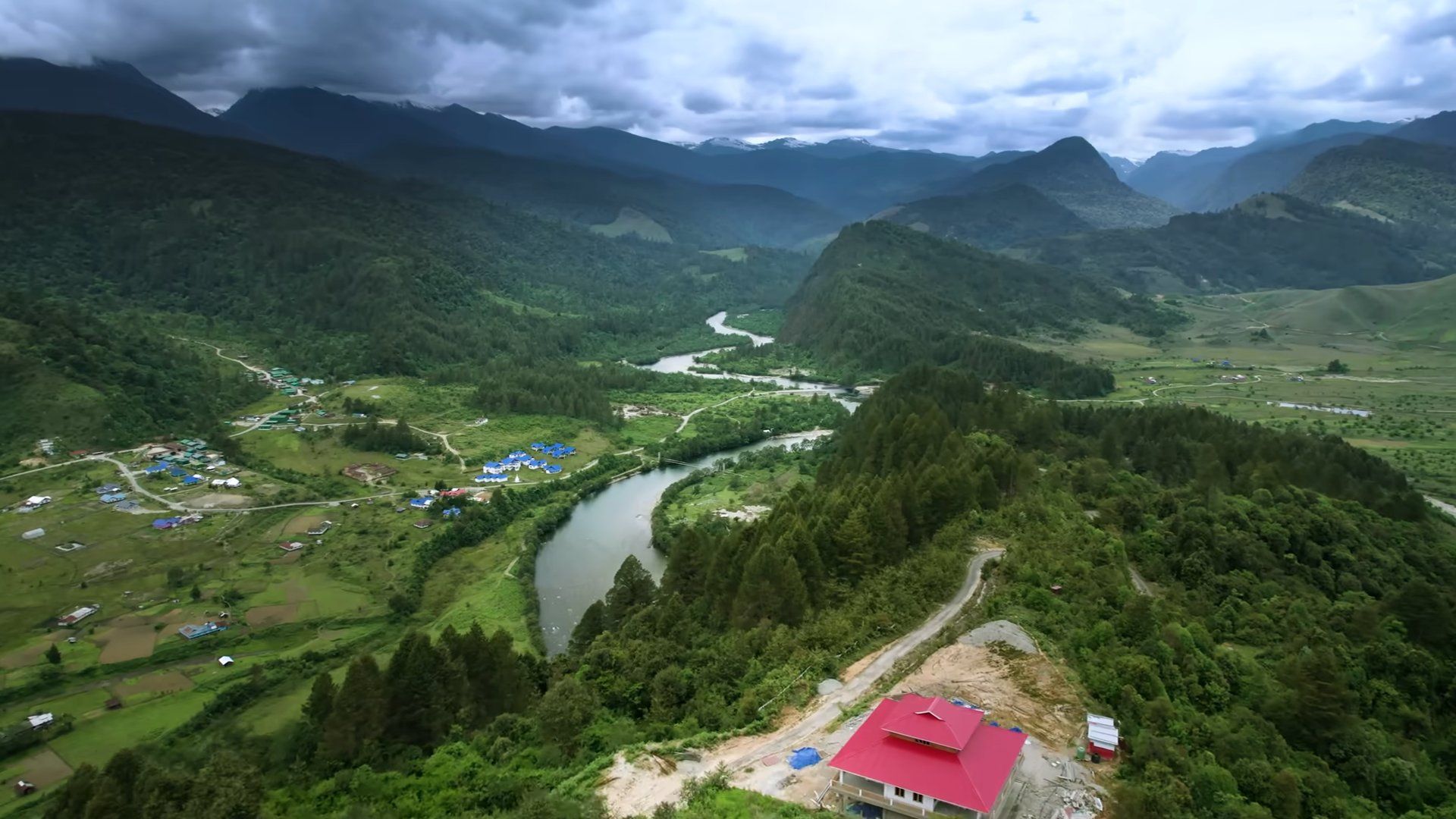
Unlike commercialized tourist spots, Mechuka hasn't been sanitized for mass tourism. The valley is home to the Memba tribe, one of the indigenous communities of Arunachal Pradesh, and their presence adds an authentic cultural dimension to your visit. You'll see traditional bamboo houses, prayer flags fluttering in the mountain breeze, and locals going about their daily lives much as their ancestors did.
The Samten Yongcha Monastery, a 400-year-old Mahayana Buddhist monastery, stands as the spiritual heart of Mechuka. Unlike some monasteries that feel like tourist attractions, this one still functions as a living center of faith. You might catch monks in prayer, their chants echoing through the valley, creating a soundscape that's both haunting and peaceful. The monastery follows the Tibetan Buddhist tradition, and the colorful murals and ancient scriptures inside tell stories that span centuries.
The natural beauty here operates on a scale that photographs struggle to capture. The Yargyap Chu river winds through the valley with water so clear you can count pebbles on the riverbed from the banks. Pine forests climb the surrounding mountains, and on clear days, you can see multiple peaks creating layers of blue and white against the sky. It's the kind of scenery that makes you understand why people meditate.
Things to Do and See in Mechuka
Walking through Mechuka village itself should be on your list. The settlement has a small-town charm where everyone seems to know everyone else. You'll find local shops selling traditional handicrafts, Tibetan-style carpets, and handwoven textiles made by Memba women. Don't rush this experience. Sit at a local eatery, try some thukpa or momos, and strike up conversations with locals who are surprisingly welcoming to travelers.
The hanging bridge across the Yargyap Chu river offers both an adventure and incredible photography opportunities. It sways slightly as you walk across, and looking down at the rushing water below gives you a genuine adrenaline rush. On the other side, trails lead into the surrounding forests where you might spot red pandas if you're extremely lucky, or at least hear the calls of exotic birds that make this region their home.
Trekking enthusiasts will find several trails ranging from easy walks to challenging multi-day expeditions. The trek to Dorjeeling Peak provides panoramic views of the entire valley and surrounding mountains. For something less strenuous, the walk along the riverbank to nearby Memba villages offers cultural insights and beautiful riverside scenery. Travelmetry often recommends hiring local guides not just for safety but because they share stories and point out things you'd otherwise miss.
Adventure seekers can try river rafting in the Yargyap Chu, though this requires proper equipment and experienced guides. The rapids here aren't as famous as those in Rishikesh, but they're equally thrilling and far less crowded. Camping beside the river, with mountains on all sides and a sky full of stars overhead, creates memories that last a lifetime.
The nearby village of Tato, located about forty kilometers from Mechuka, deserves a day trip. Known for its hot springs, Tato offers a chance to soak tired muscles in naturally heated mineral water while surrounded by mountain scenery. The journey to Tato crosses some spectacular terrain, and the hot springs themselves are considered sacred by locals.
Cultural Experiences You Shouldn't Miss
The Memba people celebrate several festivals throughout the year, and if your visit coincides with one, you're in for a treat. The Torgya festival, usually held in January, features mask dances, traditional music, and rituals that have been passed down through generations. Even outside festival times, you can witness daily life that remains largely traditional, from farming practices to architectural styles.
Food in Mechuka reflects its location and culture. You'll find a mix of Tibetan and local Memba cuisine. Zan, a porridge made from millet or barley, forms a staple, while chhang, a traditional rice beer, features in social gatherings. Local women prepare dishes using ingredients like bamboo shoots, wild mushrooms, and river fish. The food isn't fancy, but it's honest and connects you to the land in a way restaurant meals rarely do.
Practical Information for Your Trip
Let's talk about the logistics because Mechuka isn't a destination you can tackle unprepared. First, you need an Inner Line Permit to enter Arunachal Pradesh. Indian citizens can apply for this online through the Arunachal Pradesh government website or obtain it from designated offices in cities like Delhi, Kolkata, Guwahati, and Dibrugarh. The process is straightforward, but plan ahead as it takes a few days.
Accommodation options in Mechuka range from government guesthouses to homestays with local families. Don't expect luxury resorts, but the available options are clean and comfortable. Staying in a homestay gives you the chance to experience Memba hospitality firsthand, share meals with families, and learn about their way of life. Some guesthouses offer basic amenities like hot water and electricity, though power cuts are common, so pack accordingly.
Mobile network connectivity is limited and unreliable. BSNL works better than other carriers, but even then, don't count on staying connected. This digital detox, though initially uncomfortable for many travelers, becomes one of the trip's unexpected gifts. Without the constant ping of notifications, you find yourself actually present in the moment.
The nearest medical facilities are basic, so carry a comprehensive first aid kit including altitude sickness medication, antibiotics, bandages, and any prescription medicines you need. The altitude isn't extreme enough to cause serious problems for most people, but it's better to be prepared.
How Travelmetry Can Help Plan Your Trip
Planning a trip to a remote destination like Mechuka requires more than just booking a hotel and flight. At Travelmetry, we understand that traveling to offbeat locations demands careful preparation, local knowledge, and flexibility. Our travel guides provide detailed information about permits, best routes, reliable local contacts, and realistic timelines so you don't find yourself stuck or underprepared.
We've worked with travelers heading to Northeast India for years, and we've learned what questions people should ask but often don't. Things like: What kind of vehicle works best for the rough roads? Which homestays genuinely welcome guests versus those just going through the motions? What should you pack for unpredictable mountain weather? These details make the difference between a stressful trip and an adventure you'll treasure.
Our platform also connects you with experienced travelers who've already visited Mechuka, allowing you to learn from their experiences and avoid common mistakes. Whether you're a solo traveler concerned about safety, a photographer looking for the best spots and lighting conditions, or a family wondering if the journey suits children, Travelmetry's community and resources help you make informed decisions.
Why Mechuka Matters in Indian Tourism
In an era where popular destinations are bursting at the seams with tourists, places like Mechuka remind us what travel used to be about: discovery, connection, and genuine experiences. This isn't a place you visit to tick off a bucket list item or get the perfect Instagram shot, though you'll certainly take incredible photos. You visit Mechuka to slow down, to observe a different way of life, and to remember that India contains multitudes beyond the usual tourist trail.
The valley also represents the kind of sustainable, community-based tourism that benefits local people directly. Your money spent in homestays, on local guides, and in village shops supports families and helps preserve traditional lifestyles. Unlike mass tourism destinations where profits flow to large companies, travel to places like Mechuka creates genuine economic opportunity for remote communities.
Final Thoughts
Mechuka Valley won't suit everyone. If you need constant connectivity, luxury amenities, or meticulously planned itineraries where everything runs like clockwork, this probably isn't your destination. The roads will test your patience, the limited facilities will push you out of your comfort zone, and the remoteness might feel isolating.
But if you're the kind of traveler who finds joy in discovering places before they hit everyone's radar, who appreciates cultural authenticity over curated experiences, and who doesn't mind a bit of adventure and uncertainty, Mechuka might just become one of your favorite destinations in India. It's a place that rewards the effort it takes to reach it, offering beauty, peace, and experiences that feel increasingly rare in our connected, commercialized world.
The valley sits there in the eastern reaches of the Himalayas, largely unchanged, largely unknown, waiting for travelers who seek something beyond the ordinary. Maybe it's time you discovered it for yourself.
Planning your journey to Mechuka Valley or other offbeat destinations in Northeast India? Visit Travelmetry.com for comprehensive travel guides, permit information, and insider tips from experienced travelers who've walked these paths before you. Because the best journeys begin with the right information.
Questions this post answers
Where Exactly is Mechuka Valley?
▼
Mechuka sits at an elevation of about 6,000 feet in the Shi-Yomi district of Arunachal Pradesh, near the Indo-China border. The valley cradles the Yargyap Chu river, which eventually flows into the mighty Siang River. Getting here isn't easy, which is partly why it remains so pristine. The nearest airport is in Dibrugarh, Assam, roughly 470 kilometers away, and from there, you're looking at a scenic but challenging road journey that takes around fifteen to sixteen hours....
What Makes Mechuka Valley Special?
▼
Unlike commercialized tourist spots, Mechuka hasn't been sanitized for mass tourism. The valley is home to the Memba tribe, one of the indigenous communities of Arunachal Pradesh, and their presence adds an authentic cultural dimension to your visit. You'll see traditional bamboo houses, prayer flags fluttering in the mountain breeze, and locals going about their daily lives much as their ancestors did. The Samten Yongcha Monastery, a 400-year-old Mahayana Buddhist...
Published in Travel Guides
You Might Also Like
Road Trips from Pune: 10 Drives Under 300 km That Hit Different on a Weekend

Meet Travelmetry:- The AI Travel Planner That Pays You to Explore the World
Share Your Journey:- How to Write Travel Stories on Travelmetry and Earn Rewards
Discussion (0)
Join the conversation! Sign in to share your thoughts.
No comments yet. Be the first to start the discussion!